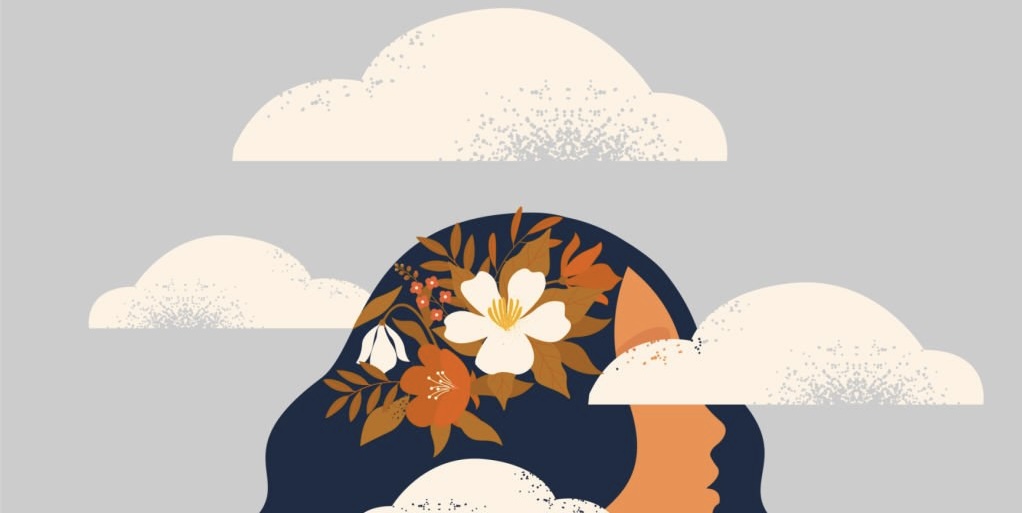
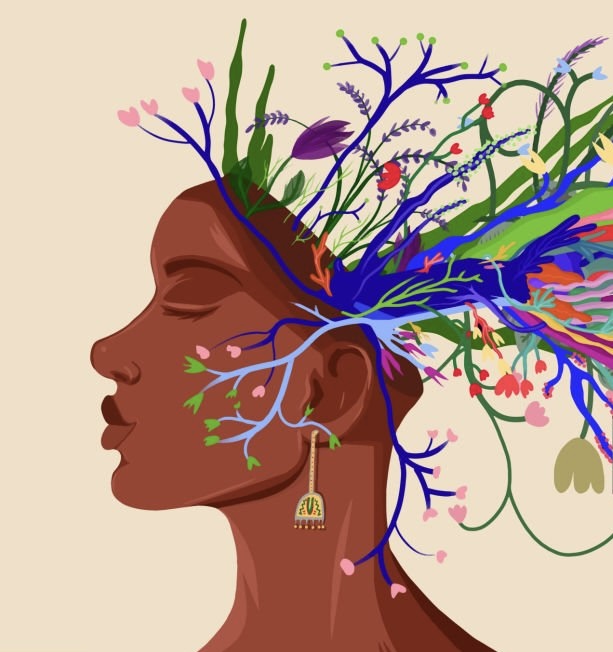
Reclaiming Emotions That Were Never the Problem
At some point, most women I know, and honestly, myself included, have been handed some version of the same message: Too emotional, too sensitive, too intense, too much.
It might have come from a parent, a partner, a doctor, a boss. It might have been said out loud or just implied in the way someone sighed, rolled their eyes, or changed the subject. However it arrived, it landed. And for a lot of women, it stuck.
This Women’s History Month, I want to talk about where that message actually comes from, because it didn’t start with you.
A Pretty Long History of Pathologizing Women’s Feelings
Not that long ago, “hysteria” was a legitimate medical diagnosis, applied almost exclusively to women, and used to explain away everything from grief and frustration to political dissent and sexual desire. Women were institutionalized for it. Medicated into silence for it. The word itself comes from the Greek word for uterus, which tells you everything you need to know about how seriously women’s inner lives were being taken.
We like to think we’ve moved past that. And in some ways, we have. But the underlying message, that women’s emotions are excessive, unreliable, or inconvenient, didn’t disappear. It just got quieter. It shows up now in the woman who apologizes before she cries, who rehearses her feelings for days before she’s willing to share them, who has learned to shrink herself in rooms where being emotional might cost her something.
Your Emotions Were Never the Problem
Here’s what I believe, both as a therapist and as a woman: emotional depth is not a flaw. It’s information. It’s intelligence. The ability to feel things fully, to notice when something is wrong, to grieve what deserves to be grieved, to get angry about things worth being angry about, its not weakness. That’s a nervous system doing exactly what it’s supposed to do.
When we tell women their emotions are too much, we’re not helping them regulate. We’re teaching them to disconnect. Disconnection has a cost, and it shows up as anxiety, numbness, chronic people-pleasing, or a general sense of not really knowing what you want or need anymore.
The problem was never that you felt too much. The problem is that you were taught the feeling itself was the issue, rather than the lack of space to hold it safely.
So What Does Reclaiming Look Like?
Honestly, it’s less dramatic than it sounds. It starts with small moments of not talking yourself out of what you feel. Letting yourself be sad without immediately asking if it’s justified. Getting frustrated without jumping straight to “but I shouldn’t feel this way.” Noticing what’s happening inside you before you decide whether it’s acceptable.
Therapy is a really good place for this work, especially if you’ve spent years being told your emotions are unreliable. Having someone sit with you in your feelings, without flinching, without redirecting, without making it about them, can genuinely be a corrective experience. It starts to rewire the belief that your inner world is too much to be around.
And it ripples outward. Women who are at home in their own emotional lives tend to set better boundaries, have more honest relationships, and show up in the world with a kind of groundedness that no amount of self-suppression ever produces.
For Women’s History Month
We’re in a month that celebrates women who refused to be quiet, who felt things deeply and acted on it, who were called hysterical and kept going anyway. I think one of the most fitting ways to honor that legacy is to stop apologizing for having an inner life.
You’re not too much. You never were. The world just had a hard time holding you, and that’s the world’s work to do, not yours.
— Herlistic Health